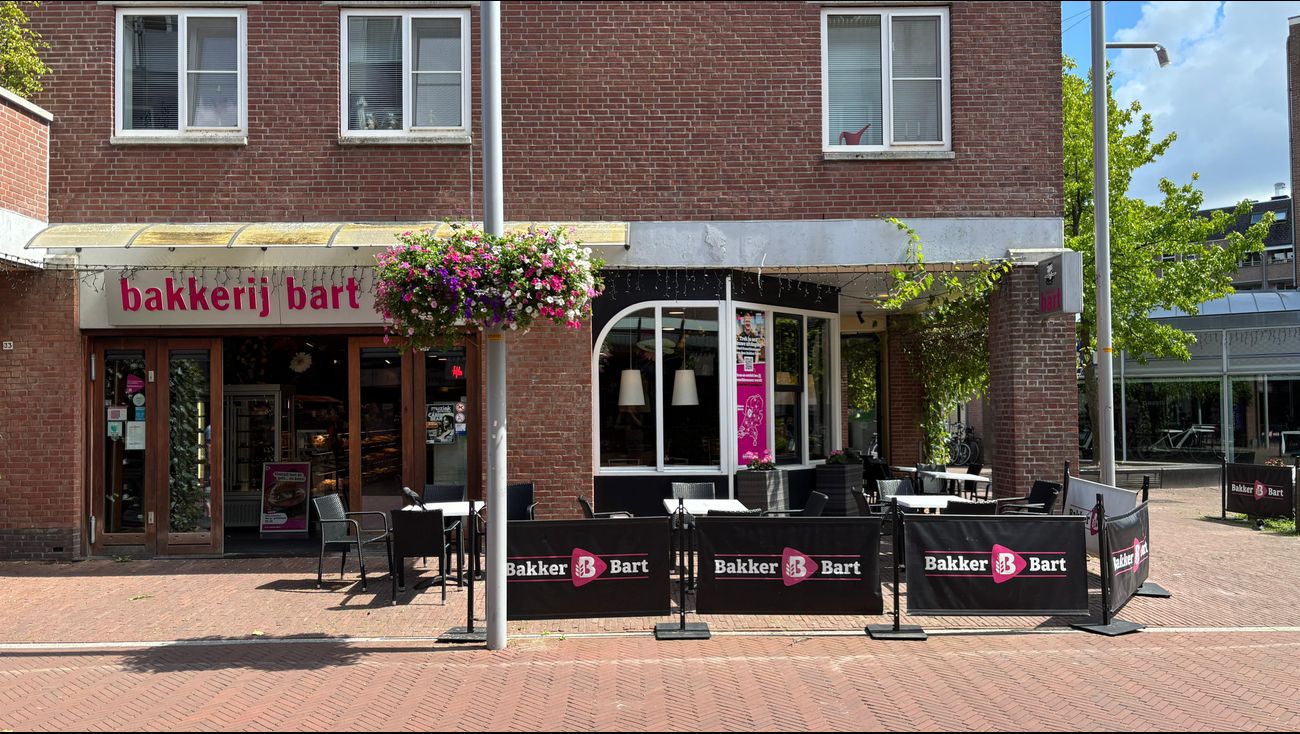
Bakker Bart Almere Haven on the Brink: A Cannabis Farm Threatens Closure and Bankruptcy
The sweet aroma of freshly baked bread usually defines a Bakker Bart bakery, but for the Almere Haven branch, a far more illicit scent has brought it to the brink of disaster. The discovery of over 300 cannabis plants in its basement has plunged the popular Dutch franchise into a severe crisis, leading to a proposed three-month closure by the local mayor. This decisive action, intended to send a strong message against illegal activities, now threatens to spell financial ruin for the local entrepreneurs and cast a long shadow over the entire Bakker Bart franchise model, pushing the local store closer to what many fear will be Bakkerij Bart Failliet.
The Unsettling Discovery: A Basement Turned Cannabis Farm
In June, an unexpected raid on the Bakker Bart premises in Almere Haven uncovered a sophisticated cannabis cultivation operation hidden beneath the bustling bakery. More than 300 marijuana plants were found, a discovery that quickly escalated into a legal and financial nightmare for the husband-and-wife team operating the franchise. This isn't just a local incident; it reverberates throughout the entire Bakker Bart network, raising serious questions about oversight, vulnerability, and the harsh realities faced by small business owners.
The Franchisee's Dilemma and Defense
According to their legal counsel, the wife, a co-owner of the franchise, was reportedly unaware of the illegal farm. Her husband, under severe financial pressure, allegedly allowed the basement to be used for cannabis cultivation in exchange for money. This narrative highlights the immense strain faced by small business operators and the lengths some might go to in desperate situations. The couple pays their staff primarily from their own pockets, making any prolonged closure an immediate existential threat. For them, a three-month shutdown isn't just an inconvenience; it's a death sentence for their livelihood and the jobs of their dedicated employees.
The situation presents a complex ethical and legal challenge. While ignorance is rarely a complete defense, the personal toll on the family and staff is significant. Employees, reportedly also unaware of the illicit activities, stand to lose their jobs through no fault of their own. The emotional testimony from the husband regarding his staff’s loyalty underscores the deep human impact of this crisis.
Suspicious Antecedents: The 2022 Robbery
Adding another layer of intrigue to the case is a peculiar incident from 2022. The bakery was robbed, and remarkably, the perpetrators specifically inquired about "weed." At the time, law enforcement found this detail unusual. The husband maintains that there was no cannabis plantation in the basement at that point. However, this earlier event now casts a retrospective shadow, hinting that the bakery might have been on the radar for illegal activities even before the current discovery, or perhaps the inquiry itself spurred the decision to engage in such an activity.
Mayor's Mandate: Closure and Consequences
Mayor van der Loo's proposal to close the entire Bakker Bart premises for three months stems from a clear policy to deter illegal drug cultivation. The municipality's stance is that using any property for such purposes will result in closure, regardless of the business operating there. This "signal function" aims to send an unambiguous message to potential offenders across the city. Furthermore, the mayor's advocate argued that anything less than a full closure would necessitate regular police checks, imposing an undue burden on public resources.
While the intent is clear – to uphold the law and prevent crime – the consequences for the specific franchise are devastating. The owners explicitly state that they will not survive a three-month closure, meaning the Almere Haven Bakker Bart faces imminent Bakkerij Bart Failliet. This puts the mayor in a difficult position: balancing robust law enforcement with the economic impact on innocent parties, including employees and the wider local economy.
The Looming Threat of Bankruptcy for Bakkerij Bart Almere Haven
For the franchisee couple, the prospect of a three-month closure directly translates into financial ruin. Operating a franchise involves significant overheads, from rent and utilities to staff wages. Even a short period of lost revenue can be catastrophic, let alone three months. Their deep emotional response when discussing their staff's job security highlights the personal responsibility they feel. It's a stark reminder that behind every business, large or small, are individuals whose livelihoods depend on its continued operation.
The parent company, Bart Retail BV, also strongly opposes the full closure. They, too, fear that the local franchise will go bankrupt, leading to an unwanted case of Bakkerij Bart Failliet. Their primary concerns are two-fold:
- Reputational Damage: The association of a popular bread chain with illegal drug activity, especially during a prolonged closure, could severely tarnish the Bakker Bart brand nationwide.
- Financial Loss: The loss of a franchise location, even if isolated, represents a direct loss of revenue and market presence.
Both the franchisee and Bart Retail BV advocate for a less severe measure, such as closing only the basement or significantly shortening the closure period. This would allow the bakery to continue trading, mitigating the financial and reputational fallout.
Beyond Almere Haven: Understanding Franchise Vulnerabilities
The Almere Haven incident, while extreme, shines a spotlight on the inherent vulnerabilities within the franchise model. Bakker Bart, founded by Bart van Elsland in 1977 and growing to become the largest bakery chain in the Netherlands with 189 locations by early 2012, operates on a system where local entrepreneurs license a brand and its operational model. While this offers the benefit of an established brand and support, it also comes with significant obligations and risks.
Historically, Bakker Bart has faced challenges with its franchisees. Reports from as early as 2013 detailed conflicts between the headquarters and its franchisees. Accusations surfaced that the parent company charged excessively high costs for services and mandated the purchase of dough at prices higher than what the parent company supplied to competitors. Such practices reportedly led to several franchisees facing bankruptcy or being on the brink of it, a situation even highlighted in a 2014 TV program, Zembla. These past struggles underscore a pre-existing fragility in the franchise relationship, making the current Almere Haven crisis particularly impactful.
This history reveals that the relationship between franchisor and franchisee isn't always smooth sailing. Financial pressures on franchisees, compounded by perceived unfair terms, can create fertile ground for desperation. While this certainly doesn't excuse illegal activities, it's crucial context for understanding the broader environment in which such incidents can occur.
Preventing Future Incidents: Tips for Franchisees and Franchisors
To prevent similar disastrous situations, both franchisees and franchisors must adopt robust strategies:
- For Franchisees:
- Financial Prudence: Maintain strong financial oversight and seek professional advice when facing difficulties.
- Open Communication: Establish clear lines of communication with the franchisor about financial challenges or operational issues.
- Due Diligence: Be vigilant about any unusual requests concerning your property and report suspicious activities.
- Legal Counsel: Seek independent legal advice on franchise agreements and operational decisions.
- For Franchisors (Bart Retail BV):
- Enhanced Oversight: Implement more frequent and comprehensive checks, especially for high-risk areas like basements or storage facilities.
- Support Systems: Offer robust support programs for franchisees facing financial distress, including financial counseling or operational reviews, to prevent desperate measures.
- Fair Practices: Ensure all contractual terms, including supply costs, are transparent and equitable to foster a healthier relationship with franchisees.
- Crisis Management Plan: Develop a clear strategy for handling reputational damage and supporting affected franchises during crises.
Navigating the Crisis: A Test for Bakker Bart
The coming months will be a significant test for Bakker Bart. How the parent company manages this crisis – both in supporting its distressed franchisees and in protecting its brand image – will be critical. The decision rests with the municipality, but the outcome will have far-reaching implications. It's not merely about closing a single location; it's about the integrity of the brand, the livelihoods of individuals, and the delicate balance between law enforcement and economic stability.
The incident in Almere Haven serves as a powerful cautionary tale for the entire franchise industry. It underscores the importance of transparency, support, and stringent oversight to safeguard both individual businesses and the collective reputation of a brand.
Conclusion
The discovery of a cannabis farm beneath Bakker Bart Almere Haven has sparked a crisis that goes beyond a single illegal act. It highlights the acute financial pressures faced by local entrepreneurs, the rigorous enforcement stance of municipal authorities, and the profound reputational risks for established brands. With the threat of a three-month closure looming, the fate of the Almere Haven bakery, and the very real possibility of Bakkerij Bart Failliet for this specific location, hangs in the balance. This incident forces a broader conversation about franchisee support, oversight mechanisms, and the enduring challenges of operating a successful franchise in an increasingly complex economic landscape. The resolution of this case will undoubtedly set a precedent, impacting how similar situations are handled across the Netherlands and offering valuable lessons for the entire franchise sector.